

The Most Common Scam Calls and Texts Targeting Texans in 2026
July 08, 2026
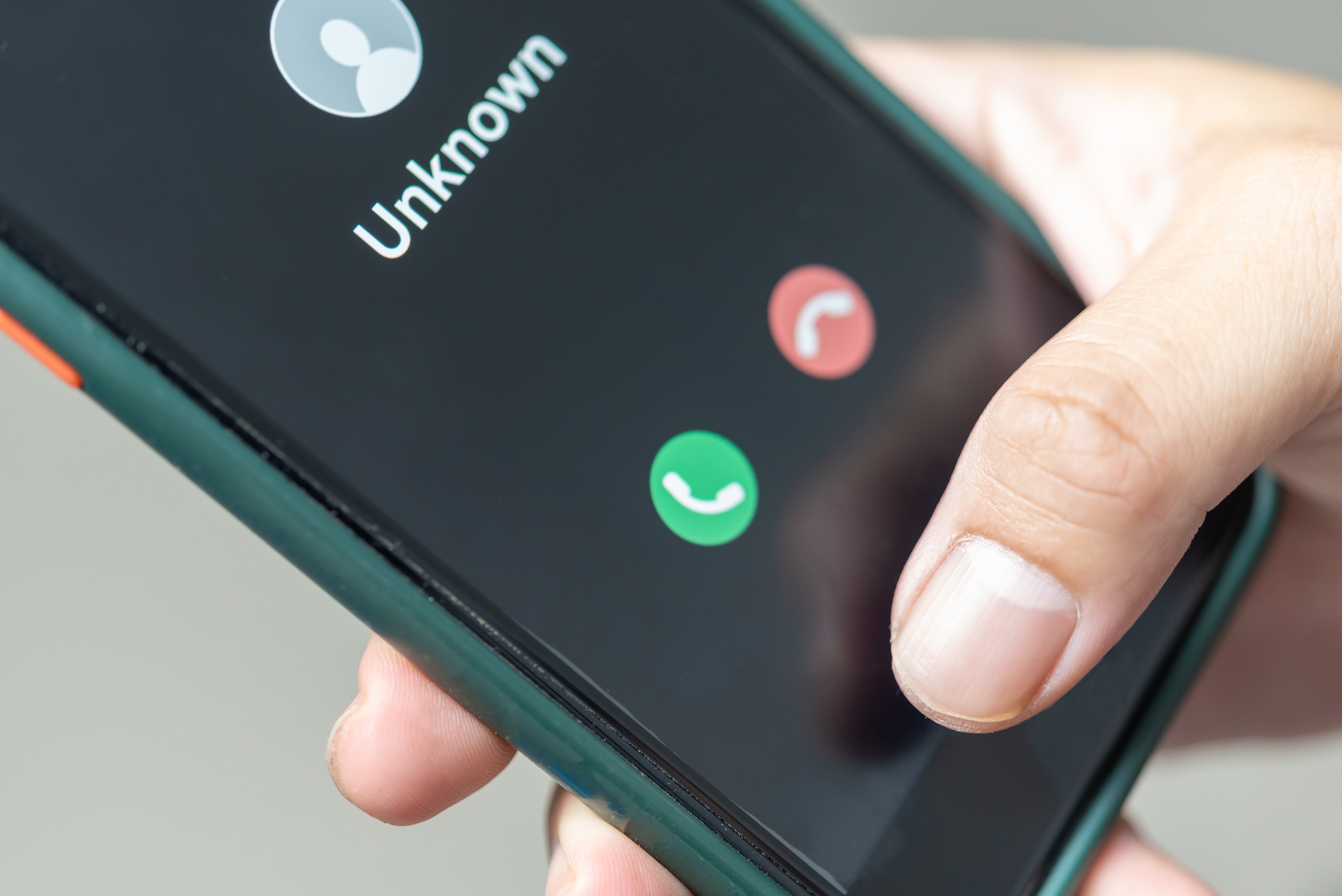
At Education First FCU, protecting our members from fraud is one of our top priorities.
In 2026, our phones have become an essential part of everyday life, helping us stay connected, manage our finances, and handle countless daily tasks. Unfortunately, scammers know this too, and they're constantly finding new ways to target people through convincing phone calls and text messages.
At Education First FCU, protecting our members from fraud is one of our top priorities. In this article, we'll cover some of the most common scam calls and text messages, the warning signs to watch for, and the steps you can take to keep your personal information and funds safe.
Bank Impersonating Scams
Bank impersonation scams occur when criminals impersonate representatives of your financial institution or another trusted financial organization. They may contact you by phone, text, email, or even through fake websites, claiming there is a problem with your account that requires immediate action.
The scammer may say there has been suspicious activity, an unauthorized transaction, or an issue with your account security. Their goal is to create a sense of urgency and convince you to provide sensitive information, transfer money, or approve fraudulent transactions.
Common red flags of bank impersonation scams include:
- You receive an unexpected call or text claiming to be from your bank or credit union
- The message or caller says your account is compromised and requires immediate action
- The caller asks you to transfer money to a different, “secure” account
- The phone number, email address, or website looks slightly different than the official contact information
- You are pressured to act quickly or told not to contact your financial institution directly
How to Protect Yourself
Here are a couple of things you can do to protect yourself from bank impersonation scams:
- Never click links in unexpected messages claiming to be from your financial institution. Hang up immediately and dial 409.898.3770.
- Do not provide passwords, SSNs, or PIN numbers over the phone or through text
- Review your accounts regularly and report any unfamiliar transactions
- Take your time; scammers rely on panic and urgency to pressure you into making mistakes
Tip: Education First FCU will never call or text and request sensitive information from you. Always dial us immediately if you suspect fraud at 409.898.3770.
Romance Scams
Romance scams happen when a fraudster creates a fake identity online to build an emotional relationship with someone. This could be through a random text message, a fishy call, or even on dating apps. Their goal isn’t romance, but to earn their victim’s trust to eventually ask for money or personal financial information.
Common red flags for this type of scam include:
- They quickly express strong feelings or say they’re “falling in love”
- They avoid meeting in person or video chatting, making excuses such as being overseas, being in the military, or being on an oil rig
- They always have an emergency that requires money.
- They ask you to send money via wire transfers, gift cards, cryptocurrency, or payment apps.
- They ask to keep the relationship or financial requests secret and isolate you from friends or family who question the relationship
How to Protect Yourself
Here are a couple of rules you can follow to protect yourself from being targeted by a romance scam:
- Never send money to someone you’ve only met online or spoken to on the phone
- Reverse-image search profile photos if something feels off. Here is a link to a free reverse-image search engine
- Ask for a live video call; be skeptical if they refuse to meet or always have excuses
- Never share your online banking login, account numbers, or verification codes
Toll and Delivery Texts
Have you ever received a text that says you received a package at the door that you didn’t order? Or that you owed money for a toll road you never went on? You aren’t alone. Toll and delivery text scams are fraudulent messages designed to trick you into clicking a link and entering personal or financial information. These texts usually claim you have an unpaid toll or a package that can’t be delivered until you have paid a small fee or verified your information.
Common red flags of this toll and delivery text scams include:
- The text says you owe a small amount of money for an unpaid toll or delivery fee
- It creates panic by threatening you with late fees, collections, or returning your packages
- You’re asked to click a link and enter your payment or login credentials
- The message contains grammar/spelling mistakes
- The sender’s phone number or web address does not match the company they say they are working for
How to Protect Yourself
Here are a couple of ways you can use to protect yourself from falling victim to a toll and delivery text scam:
- Don’t click links in unexpected text messages
- Go directly to the official company’s website or app if you think the text is legitimate
- Delete and report suspicious messages as spam
- Never enter your online banking information or debit card information through a link sent by text
Fake Job Offers
Fake job offer scams involve scammers posing as employers or recruiters to trick job seekers into sharing personal information or sending money. These offers often seem too good to be true, promising high salaries, flexible schedules, and little to no experience required, making them especially tempting to accept. The scam typically includes a link or message that prompts you to provide personal details or send money to “accept” the position.
Common red flags of fake job offer scams include:
- You’re offered a job without an interview
- The pay is unusually high for simple work
- The recruiter contacts you through text or another messaging app instead of a professional email
- They ask for your SSN/banking info before being hired
- They ask you to pay upfront for training, equipment, certifications, or background checks
How to Protect Yourself
Here are a couple of things you can do to protect yourself from fake job offer scams:
- Research the company before responding to the text
- Never pay money to get a job
- Don’t share your SSN, driver’s license number, or banking information until you’ve verified the employer
- Visit the company’s official website to confirm the job posting exists
Tip: If you're asked to deposit a check and immediately send some of the money elsewhere, it's almost certainly a scam. If you receive a suspicious payment or job offer and aren't sure whether it's legitimate, contact Education First FCU before depositing the check or sending any money.
Deepfake Emergency Scams
Deepfake emergency scams use AI-generated audio or video to impersonate someone you know, such as a close friend or family member, and portray them as in urgent danger and in need of money immediately. In many cases, victims receive a call where the “person” sounds exactly like their child, spouse, or parent, saying they’ve been in an accident, arrested, or stranded and need help right then.
These scams work as the scammers gather voice samples from social media videos, voicemails, or online posts to have AI tools clone a person’s voice. The goal is to create panic, so you act before you get the chance to verify.
Common red flags of deepfake emergency scams include:
- You receive a call from an unknown number claiming a loved one is in trouble
- The caller pressures you to act immediately and not tell anyone else
- The caller refuses to answer verification questions and gets defensive
- You’re asked to send money via wire transfer, gift cards, cryptocurrency, or payment apps
How to Protect Yourself
Here are a couple of ways to protect yourself from falling victim to a deepfake emergency scam:
- Hang up and call the person back using a known number
- Never send any money under pressure without confirming the situation
Digital Arrest
Digital arrest scams involve criminals impersonating law enforcement agencies, government officials, or regulatory authorities. The scammer contacts the victim, usually by phone, text, or video call, and falsely claims that they are under investigation for a serious crime such as money laundering, tax fraud, or identity theft.
They then claim you are under “digital arrest,” meaning you are not physically detained but are instructed to stay on the phone or video call while following their demands. To “protect” your money or resolve the fake investigation, scammers pressure victims into transferring savings to “safe” or government-controlled accounts, purchasing cryptocurrency, or sharing sensitive banking information.
Law enforcement agencies do not:
- Arrest people over the phone
- Demand payment to avoid arrest
- Instruct individuals to move money into other accounts
Common red flags of digital arrest scams include:
- You get an unexpected call from someone claiming to be law enforcement or a government agency
- You are accused of serious crimes you don’t recognize
- You are instructed to move money to pay fines immediately
- The caller uses threats, legal jargon, or fake badge/ID numbers to sound official
How to Protect Yourself
Here are a couple of things you can do to protect yourself from digital arrest scams:
- Hang up immediately if someone claims you are under arrest or investigation
- Do not stay on the phone under pressure
- Contact the agency directly using the phone number on their website
- Never transfer money or share banking information based on a phone call
What to Do if You Receive A Scam Call or Text
Even if you recognize a scam and do not lose money, you should still consider reporting it. Reporting attempted scams helps authorities track fraud trends and identify common tactics used by criminals.
If you receive a scam call, report it to the FTC and the FBI’s Internet Crime Complaint Center (IC3). If it is a text, you can forward the spam message to your mobile carrier by sending the message to 7726 (SPAM).
If you receive any sort of suspicious call, even claiming to be Education First FCU, hang up immediately and dial 409.898.3770 directly to report it.
Stay One Step Ahead of Scammers
Scammers are constantly finding new ways to target people, but many fraud attempts rely on the same tactics: creating a sense of urgency, building trust, and pressuring you to act before you have time to think. Whether it’s a suspicious text, unexpected phone call, or online message, acting immediately by hanging up or not clicking any links can save you big time. Always act with caution to remain one step ahead.
Remember, you should never feel pressured to share sensitive information or send money immediately. If something doesn’t feel right, trust your instincts and hang up immediately if you suspect anything that resembles a scam listed above.
At Education First FCU, we’re committed to helping our members recognize and prevent fraud. If you ever believe your account information has been compromised or you’re unsure whether a message is legitimate, contact us before taking action. We’re here to help you keep your money and personal information safe.